


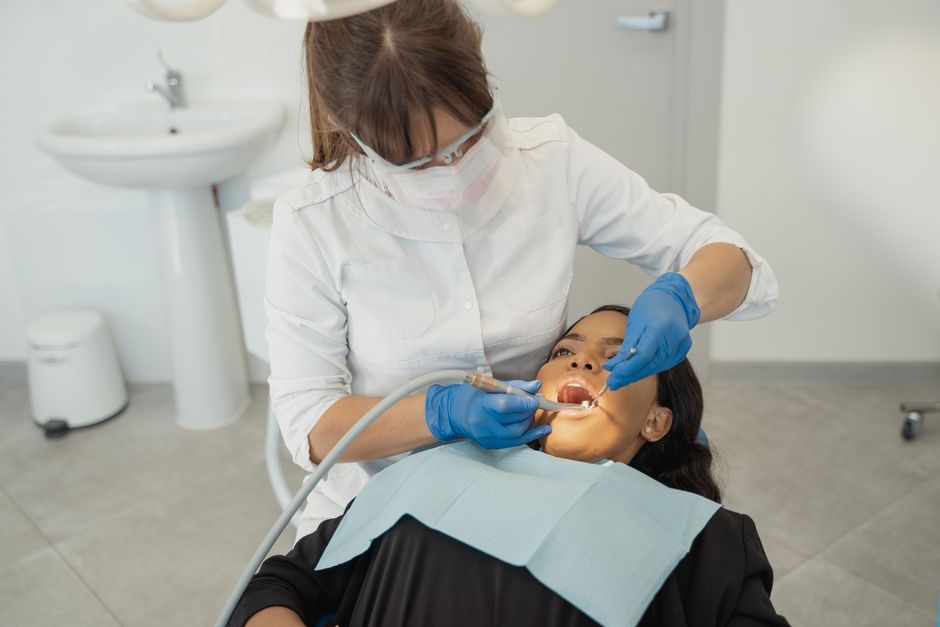
Very little permanently disqualifies you from braces. In most cases, nothing rules you out for good. Certain problems simply have to be treated first. Active gum disease, untreated cavities, and poor oral hygiene all need to be handled before braces go on, because moving teeth through an unhealthy mouth can cause damage. A small number of severe jaw cases need surgery alongside orthodontics. Age, fillings, and past dental work do not disqualify you. A free consultation tells you exactly where you stand.
People often ask what would rule them out of getting braces, usually because they are worried about their age, a past dental problem, or a mouth full of fillings. The honest answer is reassuring: almost everyone qualifies eventually. What actually happens is that a few conditions need to be sorted out first. Here is the real list, plus the myths you can stop worrying about.
The Short Version: Almost Everyone Qualifies Eventually
There is no age limit and very few permanent disqualifiers for orthodontic treatment. When someone is told “not yet,” it is almost always because something needs to be treated before braces are safe, not because braces are off the table for good. Think of it as a sequence, not a rejection.
What Has to Be Treated First
These are the real reasons a start date gets pushed back, and all of them are fixable.
- Active gum disease. Braces move teeth through the bone and gum that hold them. If the gums are inflamed or infected, moving teeth can make the problem worse and even loosen them. Gum disease is treated and brought under control first, then braces can begin.
- Untreated cavities. Decay needs to be filled before brackets go on. Once a bracket is bonded over a tooth, treating a cavity underneath is much harder, so we handle it up front.
- Poor oral hygiene. Braces trap food and plaque, so a reliable brushing and flossing routine has to be in place. This is not about being perfect. It is about protecting your teeth from decay and white marks during treatment. We will coach you if you need it.
When Braces Alone Are Not Enough
For a small number of people, the jaw bones themselves are significantly out of position, not just the teeth. In these severe skeletal cases, braces may need to be combined with jaw surgery handled by an oral surgeon to fully correct the bite. This does not disqualify you from orthodontics. It just means your plan is bigger, and we coordinate it with a specialist so you get a stable, lasting result.
Health Factors We Plan Around
A few general health issues do not rule out braces but do shape the plan, so we ask about them up front.
- Uncontrolled medical conditions. Some conditions are best stabilized with your physician before elective treatment. Once they are managed, orthodontics is usually fine.
- Certain medications. A few medicines affect bone or gum health, so we account for them and adjust the approach rather than rush.
- Heavy smoking. Smoking slows healing and raises gum-disease risk, which can affect treatment. It is a reason to plan carefully, not an automatic no.
The theme here is the same throughout: these are things we work around, not walls that stop you.
Myths That Do Not Disqualify You
A lot of people talk themselves out of braces for reasons that simply are not true.
- Your age. There is no upper age limit. Healthy teeth move at any age, which is why we treat plenty of adults. If that is your worry, our guide to adult orthodontic treatment covers it in detail.
- Crowns, implants, or fillings. Past dental work does not disqualify you. We simply design the plan around it. Implants do not move, for example, so we account for that.
- Having had braces before. Teeth can shift again years later, and re-treatment is common and straightforward.
- Missing teeth. In many cases, braces actually help by closing gaps or aligning teeth to make room for a future implant or bridge.
How We Find Out Where You Stand
The only way to know your real situation is an exam. At a free consultation, we check your teeth, gums, and bite, take imaging when needed, and give you a straight answer: either you are ready to start orthodontic treatment, or here is the short list to handle first, and then you are good to go. No guesswork, and no pressure.
Find Out in One Free Visit
The fastest way to know whether you are ready for braces is a quick look in person, and that visit is free. Book a free consultation at Toothworks of Bakersfield, and Dr. Zaghi will tell you exactly where you stand and what, if anything, to handle first.
Toothworks of Bakersfield · 1030 H St., Suite 1, Bakersfield, CA 93304 · (661) 323-9421
Frequently Asked Questions
Can you get braces if you have gum disease?
Not until it is treated. Gum disease is brought under control first, because moving teeth through unhealthy gums can cause harm. Once your gums are healthy, braces can begin.
Does your age disqualify you from braces?
No. There is no upper age limit for orthodontic treatment. As long as your teeth and gums are healthy, they can be straightened at any age.
Can you get braces with crowns, implants, or fillings?
Usually, yes. Past dental work does not disqualify you. We plan treatment around it, including fixed items like implants that do not move.
What if I have missing teeth?
That often does not stop treatment and can even be part of the goal. Braces can close gaps or create space for a future implant or bridge. We will map it out at your consultation.
 Can Braces or Orthodontics Fix TMJ Pain?
