


Key Takeaways: Making Your Informed Orthodontic Decision
After exploring the comprehensive comparison between Invisalign and traditional braces, several key points emerge to guide your decision-making process:
- Both Invisalign and traditional braces effectively straighten teeth, but their suitability varies based on treatment complexity, with traditional braces generally better for severe cases while Invisalign offers advantages for mild to moderate corrections.
- Aesthetics and comfort significantly favor Invisalign with its nearly invisible appearance and smooth surfaces, though traditional braces have improved with smaller brackets and various color options.
- Oral hygiene maintenance is considerably easier with removable Invisalign aligners, potentially reducing the risk of decay and gum problems during treatment compared to traditional braces.
Transform Your Smile: How Invisalign and Traditional Braces Compare for Bakersfield Dental Patients
Are you considering orthodontic treatment to achieve that perfect smile? At Toothworks of Bakersfield, we understand that choosing between Invisalign and traditional braces is a significant decision that affects not just your appearance but your overall oral health. Both options offer effective paths to straighter teeth, but they differ in important ways that might make one a better fit for your specific needs. Our team of dental care specialists has helped countless Bakersfield residents transform their smiles through both traditional orthodontics and innovative clear aligner technology. In this comprehensive guide, we’ll walk you through everything you need to know about these two popular treatment options, helping you make an informed decision for your dental journey.
Effectiveness: How Invisalign and Traditional Braces Compare in Treating Orthodontic Issues
When comparing the effectiveness of Invisalign and traditional braces, it’s essential to understand how each treatment addresses different orthodontic issues. Traditional braces have been the gold standard in orthodontics for decades, utilizing brackets, wires, and bands to apply consistent pressure to teeth. This tried-and-true approach excels at treating complex dental issues such as severe overcrowding, significant bite problems, and major tooth rotations. The fixed nature of traditional braces ensures continuous treatment without relying on patient compliance, making them particularly effective for younger patients who might not consistently wear removable appliances.
Invisalign, on the other hand, uses a series of clear, custom-made aligners to gradually shift teeth into position. Each set of aligners is worn for approximately two weeks before progressing to the next in the series. While initially limited to simpler cases, advances in dental technology have expanded Invisalign’s capabilities significantly. Modern Invisalign treatment can now address moderate to severe crowding, spacing issues, and certain bite problems, though extremely complex cases may still benefit from traditional orthodontics.
The predictability of results varies between these treatment options. Traditional braces offer orthodontists precise control over tooth movement, allowing for complex adjustments throughout the treatment process. With traditional braces, your dental care provider can make immediate modifications during regular appointments, ensuring optimal progress. Invisalign treatment is planned using advanced computer modeling, with the entire treatment mapped out before you receive your first aligner. While this technology provides excellent predictability for most cases, it offers less flexibility for mid-treatment adjustments compared to traditional braces.
Treatment timelines also differ significantly between these orthodontic options. Traditional braces typically require 18 to 24 months for completion, though complex cases may take longer. Invisalign treatment generally ranges from 12 to 18 months, potentially offering a shorter overall treatment time for suitable candidates. However, the actual duration for both options depends heavily on the complexity of your specific dental issues, your compliance with treatment protocols, and your body’s unique response to orthodontic movement.
For Bakersfield patients seeking tooth extraction alternatives or those with dental implants, the choice between these treatments requires careful consideration with an experienced orthodontist. Traditional braces may be more suitable for cases involving dental implants or following tooth extraction, as they provide the necessary force to address more complex alignment issues.
Aesthetics: The Visual Impact of Invisalign vs. Traditional Braces on Your Smile
The aesthetic difference between Invisalign and traditional braces is perhaps the most immediately noticeable distinction between these orthodontic treatments. Traditional braces feature metal brackets bonded to each tooth, connected by wires and small rubber bands. While modern brackets are smaller and less obtrusive than those of previous generations, they remain clearly visible during social interactions, affecting your smile appearance throughout the treatment period. For many patients, particularly adults in professional settings, this visibility is a significant consideration when weighing orthodontic options.
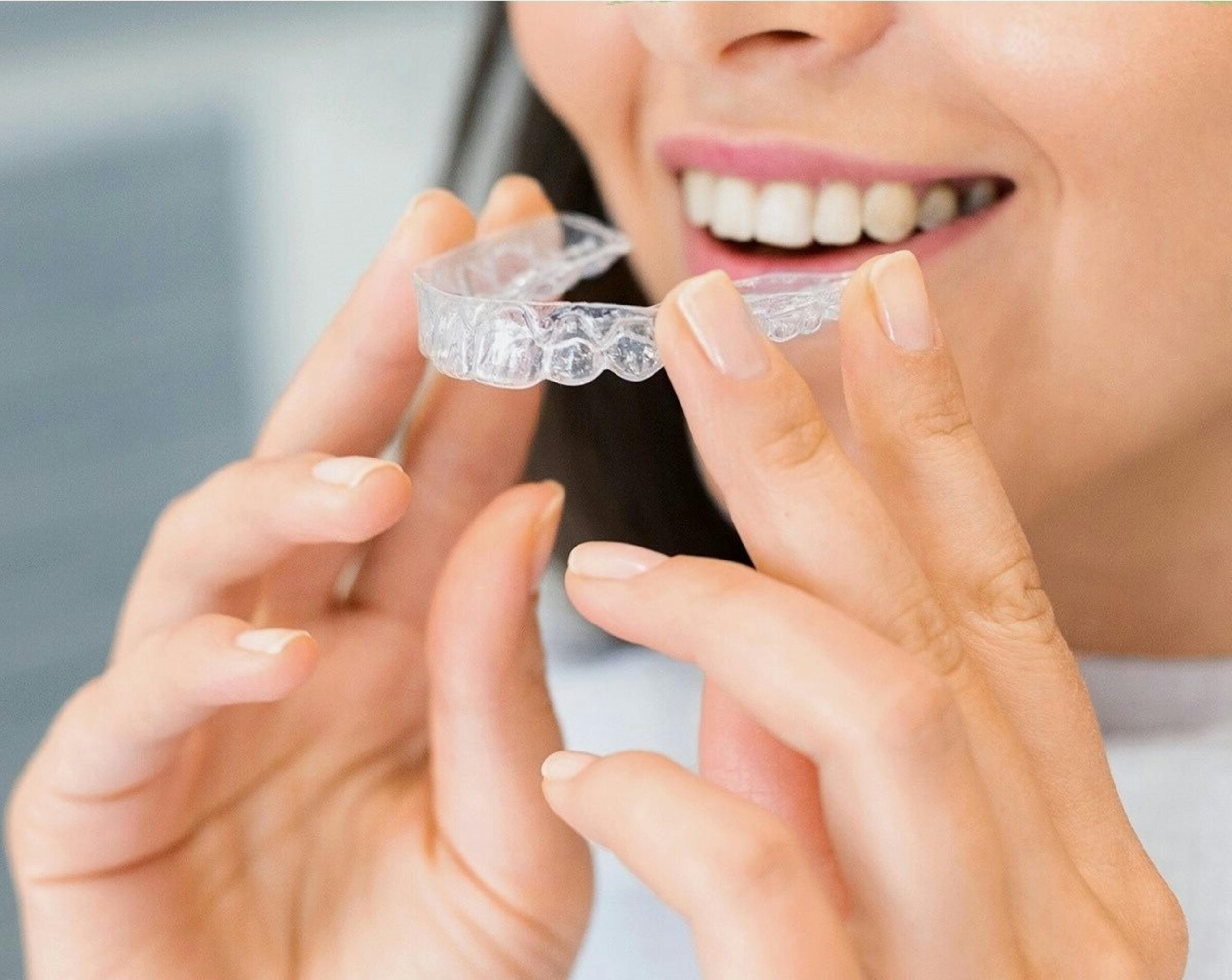
Invisalign aligners, crafted from clear, medical-grade plastic, offer a nearly invisible alternative to traditional braces. These transparent trays fit snugly over your teeth, making them difficult to detect during normal conversation. For Bakersfield professionals, students, and anyone concerned about the social impact of orthodontic treatment, Invisalign provides a discreet path to improved dental alignment without drawing attention to the fact that you’re undergoing treatment. This aesthetic advantage has made Invisalign particularly popular among adult patients who may have postponed orthodontic care due to concerns about wearing visible metal braces.
The impact on smile appearance extends beyond mere visibility of the appliance. Traditional braces temporarily change your smile’s appearance, with the metal components becoming part of your look throughout treatment. Some patients, particularly younger ones, embrace this aspect by choosing colored bands to express their personality. Others may feel self-conscious about smiling or speaking in social or professional settings. Invisalign aligners, while slightly visible upon close inspection, maintain much of your natural smile appearance during treatment.
Social comfort is another crucial aesthetic consideration. Many Invisalign patients report feeling more confident in social situations compared to those wearing traditional braces. The ability to remove aligners briefly for important meetings, photos, or special occasions provides flexibility that fixed braces cannot offer. However, it’s worth noting that some patients report a slight lisp when first adjusting to wearing Invisalign aligners, though this typically resolves within a few days as you adapt to the appliance.
For Bakersfield residents concerned about gum disease or those requiring dental crowns during treatment, the aesthetic considerations may be influenced by these additional factors. Traditional braces can sometimes make it more challenging to maintain optimal gum health due to cleaning difficulties, while Invisalign allows for normal brushing and flossing. Similarly, dental crown procedures may need to be coordinated with your orthodontic treatment plan, regardless of which option you choose.
Comfort and Pain: Understanding the Physical Experience of Both Treatment Options
The physical comfort of orthodontic treatment is a significant concern for many Bakersfield dental patients. Traditional braces initially cause discomfort as the brackets and wires apply pressure to move teeth. The metal components can irritate the soft tissues of your cheeks and lips, especially during the first few weeks of treatment. While orthodontic wax can help protect sensitive areas, many patients experience some degree of irritation until their mouth adapts to the presence of braces. After adjustments, which typically occur every 4-6 weeks, patients often experience renewed soreness for several days as teeth respond to the new pressure.
Invisalign offers a generally more comfortable experience for most patients. The smooth plastic aligners have no sharp edges to irritate oral tissues, eliminating many of the comfort issues associated with traditional braces. However, Invisalign isn’t entirely pain-free. Each new set of aligners creates pressure to move teeth, resulting in temporary discomfort similar to that experienced after traditional brace adjustments. This discomfort typically lasts 2-3 days after switching to new aligners, which occurs approximately every two weeks. Many patients report that the discomfort with Invisalign is more predictable and manageable compared to traditional braces.
Speech alteration is another comfort consideration. Traditional braces rarely affect speech significantly, though some patients experience a brief adjustment period. Invisalign aligners, being plastic trays that cover the teeth, may cause a temporary lisp when first worn. Most patients adapt quickly, usually within a week, but the initial speech changes can be concerning for professionals who rely on clear communication. For Bakersfield patients who frequently engage in public speaking or customer-facing roles, this temporary adjustment period is worth considering.
For patients with existing dental work, such as dental fillings or dental crowns, comfort considerations may vary. Traditional braces can sometimes create pressure points against existing dental work, while Invisalign aligners are custom-designed to accommodate these restorations. However, extensive dental work may influence which orthodontic option is most suitable for your specific situation, making a thorough consultation with your Toothworks of Bakersfield provider essential.
Pain management approaches differ between treatments as well. With traditional braces, discomfort peaks after adjustments and gradually subsides until the next appointment. Over-the-counter pain relievers and soft foods can help manage this cyclical discomfort. Invisalign patients experience similar discomfort patterns with each aligner change, but these occur more frequently. The predictability of this schedule allows many patients to plan accordingly, perhaps changing aligners before bedtime and taking pain relievers proactively to minimize discomfort during waking hours.
Oral Hygiene: Maintaining Dental Health During Orthodontic Treatment
Maintaining excellent oral hygiene during orthodontic treatment is crucial for preventing complications and ensuring optimal results. Traditional braces present significant challenges to routine oral care. The brackets and wires create numerous places where food particles and plaque can accumulate, making thorough brushing and flossing more difficult and time-consuming. Patients with traditional braces must use special tools like interdental brushes, floss threaders, and water flossers to clean effectively around orthodontic hardware. This increased difficulty in cleaning can lead to a higher risk of tooth decay and gum disease if proper hygiene isn’t maintained.
Invisalign offers a clear advantage in oral hygiene maintenance. Since the aligners are removable, patients can brush and floss normally without navigating around permanent appliances. This straightforward approach to oral hygiene reduces the risk of tooth decay and gum disease during treatment. Patients simply remove the aligners, perform their regular oral hygiene routine, clean the aligners according to instructions, and reinsert them. This accessibility to normal cleaning helps maintain optimal oral health throughout the treatment process.
The risk of decalcification—white spots on teeth caused by mineral loss—is significantly higher with traditional braces. These permanent marks result from plaque buildup around brackets where brushing is difficult. Studies show that up to 50% of patients with traditional braces experience some degree of decalcification. Invisalign patients rarely experience this issue, as they can thoroughly clean all tooth surfaces regularly. For Bakersfield patients concerned about the long-term appearance of their smile after orthodontic treatment, this difference in decalcification risk is an important consideration.
Maintaining gum health presents another critical difference between these orthodontic options. Traditional braces can make it challenging to clean along the gumline, potentially leading to gingivitis or more serious gum disease. Regular professional teeth cleaning becomes even more essential during treatment with traditional braces. Invisalign patients can maintain normal gum care routines, reducing the risk of gum inflammation and ensuring better periodontal health throughout treatment.
For Bakersfield dental patients with existing oral health concerns such as early-stage gum disease or a history of tooth decay, the hygiene advantages of Invisalign may be particularly significant. The ability to maintain thorough oral hygiene routines without the obstacles presented by brackets and wires can help prevent the worsening of existing conditions during orthodontic treatment. However, both treatment options require dedication to oral health maintenance, including regular dental check-ups and professional cleanings at Toothworks of Bakersfield.
Cost: Financial Considerations for Invisalign and Traditional Braces in Bakersfield
Understanding the financial aspects of orthodontic treatment is essential for Bakersfield families planning their dental care budget. The initial expenses for traditional braces typically range from $3,000 to $7,000, depending on treatment complexity and duration. Invisalign treatment generally costs between $4,000 and $8,000, making it slightly more expensive than traditional braces in most cases. This price difference reflects the technology involved in creating custom aligners and the convenience features that Invisalign offers. However, at Toothworks of Bakersfield, we strive to make both options accessible to our community through flexible payment plans and financing options.
Insurance coverage varies significantly between dental plans. Many dental insurance policies that include orthodontic benefits cover both traditional braces and Invisalign, though coverage is often limited to a specific dollar amount rather than a percentage of the total cost. Typically, insurance might cover $1,500 to $3,000 of orthodontic treatment, regardless of which option you choose. Some plans may have age restrictions or only cover treatment deemed medically necessary rather than cosmetic. Our Toothworks of Bakersfield team works closely with patients to maximize their insurance benefits and find solutions that fit their budget.
Long-term financial implications extend beyond the initial treatment cost. Traditional braces sometimes require emergency visits for issues like broken brackets or poking wires, potentially adding unexpected expenses. Invisalign treatment generally involves fewer appointments with an Emergency Dentist, as there are no brackets to break. However, if aligners are lost or damaged, replacement fees may apply. Additionally, both treatments typically require retainers after completion to maintain results, representing an ongoing, though relatively minor, expense.
For Bakersfield families considering orthodontic treatment for multiple family members, some orthodontic practices offer family discounts that can reduce overall costs. Discussing these options with your Toothworks provider can help identify potential savings. Many patients also utilize tax-advantaged healthcare accounts like FSAs or HSAs to pay for orthodontic treatment with pre-tax dollars, effectively reducing the overall cost.
The value equation extends beyond pure dollars and cents. For many adult professionals in Bakersfield, the aesthetic advantages and convenience of Invisalign may justify the higher cost. For parents considering options for teenagers, the durability and fixed nature of traditional braces might represent better value, especially if compliance with removable aligners is a concern. Your Toothworks of Bakersfield provider can help you weigh these factors against cost considerations to determine which option offers the best overall value for your specific situation.
Maintenance and Convenience: Day-to-Day Living with Orthodontic Treatment
The maintenance requirements and convenience factors of orthodontic treatment significantly impact your daily life throughout the treatment period. Traditional braces necessitate more frequent appointments, typically every 4-6 weeks, for adjustments and progress monitoring. These appointments are essential for the treatment’s success and cannot be postponed without potentially extending treatment time. For busy Bakersfield professionals and families, coordinating these regular appointments can present scheduling challenges. Additionally, emergency visits may be required if brackets break or wires come loose, adding unplanned appointments to your calendar.
Invisalign treatment generally requires fewer in-office visits, with check-ups typically scheduled every 6-8 weeks. These appointments are shorter than traditional brace adjustments, as they primarily involve monitoring progress and providing the next set of aligners. This reduced appointment frequency and duration can be a significant advantage for patients with demanding schedules. However, Invisalign’s success depends heavily on patient compliance—aligners must be worn 20-22 hours daily to achieve the predicted results, requiring personal discipline that some patients find challenging.
Dietary restrictions represent another notable difference between these orthodontic options. Traditional braces come with substantial food limitations to prevent damage to the appliance. Hard foods like nuts, crunchy vegetables, and certain candies must be avoided, as must sticky foods like caramel and taffy. These restrictions last throughout the entire treatment period, which can be frustrating for patients with specific food preferences. Invisalign eliminates these dietary concerns, as aligners are removed during meals, allowing patients to enjoy all their favorite foods without restriction.
Appliance care also differs significantly between options. Traditional braces require careful cleaning around brackets and under wires, often necessitating special tools like interdental brushes and water flossers. This cleaning routine can add 10-15 minutes to daily oral hygiene practices. Invisalign aligners require their own care—they must be cleaned regularly to prevent staining and odor, typically by brushing them with a soft toothbrush and rinsing thoroughly. Patients must also be diligent about oral hygiene before reinserting aligners to prevent trapping bacteria against the teeth.
For Bakersfield residents with active lifestyles, particularly those involved in contact sports, traditional braces may require additional protective measures like special mouthguards. Invisalign offers more flexibility for athletes, as aligners can be removed during sports activities and replaced with appropriate protective gear. However, this removal time counts against the recommended 20-22 hours of daily wear, requiring careful time management to ensure treatment progress continues as planned.
Suitability and Candidacy: Finding Your Perfect Orthodontic Match
Determining which orthodontic treatment best suits your specific situation involves considering several key factors. Age restrictions play a role in treatment selection, particularly for Invisalign. While traditional braces are suitable for patients of all ages, Invisalign was initially developed for adults and older teenagers. This is partly due to compliance requirements—younger patients may struggle with the discipline needed to wear removable aligners consistently. However, Invisalign has expanded its offerings to include Invisalign Teen, which includes compliance indicators and replacement aligners to address these concerns. At Toothworks of Bakersfield, we evaluate each young patient individually to determine if they’re ready for the responsibility of removable aligners.
The complexity of orthodontic issues significantly influences treatment recommendations. Traditional braces remain the gold standard for treating severe malocclusions, significant bite problems, and complex tooth movements. The fixed nature of braces allows orthodontists to apply precise forces in multiple directions, addressing issues that might be challenging for aligner therapy. Invisalign has continually improved its capabilities and can now treat many moderate to complex cases, but certain severe orthodontic problems may still be better addressed with traditional braces. Your Toothworks of Bakersfield provider will thoroughly evaluate your specific dental issues to determine which approach offers the best outcome.
Patient compliance represents a crucial factor in treatment selection. Traditional braces work continuously because they’re permanently attached to your teeth, requiring minimal patient compliance beyond good oral hygiene and keeping appointments. Invisalign success depends heavily on wearing aligners for 20-22 hours daily and changing them as prescribed. Patients who remove aligners frequently or for extended periods will experience delayed results and potentially compromised outcomes. During your consultation at Toothworks of Bakersfield, we’ll discuss your lifestyle and preferences to help determine if you’re likely to maintain the necessary discipline for successful Invisalign treatment.
For patients with specific dental conditions, treatment recommendations may be influenced by these factors. Those with existing dental work, such as bridges, crowns, or implants, may require special consideration. Traditional braces can sometimes work around these restorations, while Invisalign may need to be adapted to accommodate them. Similarly, patients with periodontal (gum) disease typically need to have this condition stabilized before beginning any orthodontic treatment, as tooth movement can exacerbate existing gum problems.
Lifestyle considerations also play an important role in determining suitability. Professionals who frequently speak in public may prefer the minimal speech impact of traditional braces over the potential temporary lisp with Invisalign. Musicians who play wind instruments might find traditional braces interfere with their playing, making Invisalign a better choice. Athletes in contact sports might prefer the flexibility of removing aligners during games rather than requiring special mouthguards to protect fixed braces.
Frequently Asked Questions About Invisalign vs. Traditional Braces
What are the key differences in effectiveness between Invisalign and traditional braces?
Traditional braces and Invisalign both effectively straighten teeth, but they work differently. Traditional braces use fixed brackets and wires to apply consistent pressure, making them particularly effective for complex orthodontic issues like severe overcrowding, significant bite problems, and major rotations. They provide orthodontists with precise control over tooth movement throughout treatment.
Invisalign uses a series of custom-made clear aligners that gradually shift teeth into position. While initially limited to simpler cases, advances in dental technology have expanded Invisalign’s capabilities significantly. Today’s Invisalign can address moderate to severe crowding, spacing issues, and many bite problems. However, extremely complex cases may still benefit more from traditional orthodontics.
The effectiveness of Invisalign depends significantly on patient compliance—aligners must be worn 20-22 hours daily to achieve optimal results. Traditional braces work continuously because they’re permanently attached to your teeth, ensuring consistent treatment regardless of patient habits.
How do the aesthetics of Invisalign compare to those of traditional braces?
The aesthetic difference between these treatments is substantial. Traditional braces feature metal brackets and wires that are clearly visible when you smile or speak. While modern brackets are smaller than previous generations, and some patients enjoy customizing with colored bands, they remain noticeable throughout treatment.
Invisalign aligners are made from clear, medical-grade plastic that fits snugly over your teeth, making them nearly invisible during normal conversation. For many Bakersfield professionals and adults, this discretion is a significant advantage, allowing them to undergo orthodontic treatment without drawing attention to it.
Beyond the appliances themselves, Invisalign maintains more of your natural smile appearance during treatment. The aligners can be briefly removed for important photos or events, offering flexibility that traditional braces cannot match. This aesthetic advantage has made Invisalign particularly popular among adult patients who may have postponed orthodontic treatment due to concerns about wearing visible metal braces.
What are the comfort levels and potential pain associated with each treatment option?
Both orthodontic options cause discomfort as teeth move, but the experience differs. Traditional braces initially cause irritation where brackets and wires contact the soft tissues of your cheeks and lips. While orthodontic wax can help protect sensitive areas, many patients experience some degree of irritation until their mouth adapts. After adjustments every 4-6 weeks, patients typically experience renewed soreness for several days.
Invisalign offers a generally more comfortable experience for most patients. The smooth plastic aligners have no sharp edges to irritate oral tissues. However, each new set of aligners (changed approximately every two weeks) creates pressure to move teeth, resulting in temporary discomfort similar to that experienced after traditional brace adjustments. Many patients report that this discomfort is more predictable and manageable compared to traditional braces.
Speech may be temporarily affected with either option. Traditional braces rarely cause significant speech changes, though some patients experience a brief adjustment period. Invisalign aligners may cause a temporary lisp when first worn, though most patients adapt within a week.
How do Invisalign and traditional braces impact oral hygiene practices?
Maintaining oral hygiene presents one of the starkest differences between these treatments. Traditional braces create numerous places where food particles and plaque can accumulate, making thorough brushing and flossing more difficult. Patients must use special tools like interdental brushes, floss threaders, and water flossers to clean effectively around orthodontic hardware. This increased cleaning difficulty can lead to a higher risk of tooth decay and gum disease if proper hygiene isn’t maintained.
Invisalign offers a significant advantage for oral hygiene. Since the aligners are removable, patients can brush and floss normally without navigating around permanent appliances. This straightforward approach reduces the risk of tooth decay and gum disease during treatment. The risk of decalcification—white spots on teeth caused by mineral loss—is also significantly lower with Invisalign compared to traditional braces.
For Bakersfield patients with existing oral health concerns such as early-stage gum disease or a history of tooth decay, the hygiene advantages of Invisalign may be particularly beneficial in preventing the worsening of these conditions during orthodontic treatment.
What are the cost considerations for Invisalign versus traditional braces?
The financial aspects of orthodontic treatment include several considerations. Initial expenses for traditional braces typically range from $3,000 to $7,000, depending on treatment complexity. Invisalign generally costs between $4,000 and $8,000, making it slightly more expensive in most cases. This price difference reflects the technology involved in creating custom aligners and the convenience features that Invisalign offers.
Insurance coverage varies significantly between dental plans. Many policies that include orthodontic benefits cover both traditional braces and Invisalign, though coverage is often limited to a specific dollar amount rather than a percentage of the total cost. Typically, insurance might cover $1,500 to $3,000 of orthodontic treatment. At Toothworks of Bakersfield, we work closely with patients to maximize their insurance benefits and find solutions that fit their budget.
Long-term financial implications extend beyond the initial treatment cost. Traditional braces sometimes require emergency visits for issues like broken brackets or poking wires, potentially adding unexpected expenses. Invisalign treatment generally involves fewer emergency appointments, though replacement fees may apply if aligners are lost or damaged.
What level of maintenance and convenience do Invisalign and traditional braces offer?
The maintenance requirements and convenience factors significantly impact daily life throughout treatment. Traditional braces necessitate appointments every 4-6 weeks for adjustments, plus potential emergency visits for broken brackets or wires. Dietary restrictions are substantial—hard, crunchy, and sticky foods must be avoided throughout treatment to prevent damage to the appliance.
Invisalign requires fewer in-office visits, typically every 6-8 weeks, and these appointments are generally shorter than traditional brace adjustments. There are no dietary restrictions, as aligners are removed during meals, allowing patients to enjoy all their favorite foods. However, aligners must be worn 20-22 hours daily, requiring discipline to remove them only for eating, drinking anything besides water, and oral hygiene.
Appliance care also differs. Traditional braces require careful cleaning around brackets and under wires, often necessitating special tools. Invisalign aligners must be cleaned regularly to prevent staining and odor, typically by brushing them with a soft toothbrush and rinsing thoroughly. For busy Bakersfield residents, these maintenance differences can significantly impact the overall treatment experience.
Who is an ideal candidate for Invisalign versus traditional braces?
The ideal candidate for Invisalign is typically an older teenager or adult with mild to moderate orthodontic issues who demonstrates the responsibility to wear aligners consistently for 20-22 hours daily. Professionals who value aesthetic considerations during treatment often prefer Invisalign’s discreet appearance. Patients with active lifestyles, particularly those involved in contact sports or who play wind instruments, may also find Invisalign’s removability advantageous.
Traditional braces are often recommended for younger patients, those with complex orthodontic issues requiring precise control of tooth movement, or individuals who might struggle with the discipline required for removable aligners. The fixed nature of braces ensures continuous treatment without relying on patient compliance beyond maintaining good oral hygiene and keeping appointments.
At Toothworks of Bakersfield, we conduct thorough evaluations to determine which treatment option best suits each patient’s specific dental needs, lifestyle, and preferences. Many factors influence this decision, including the complexity of orthodontic issues, age, compliance potential, existing dental work, and personal priorities regarding aesthetics, comfort, and convenience.
 Transform Your Dental Experience with Advanced Digital Dentistry Technology